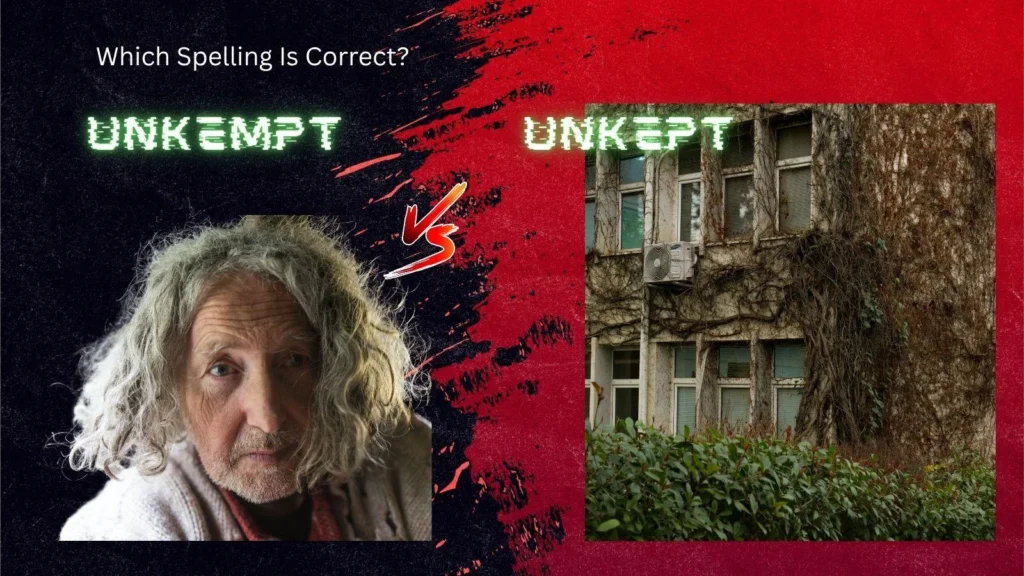
Have you ever wanted to describe messy hair, untidy clothes, or a neglected appearance but stopped to wonder whether the correct word is “unkempt” or “unkept”? You are not alone. These two words look and sound similar, but they do not have the same meaning or usage.
The confusion often comes from the word “kept.” Since “unkept” looks like the natural opposite of “kept,” it can seem like the obvious choice. However, “unkempt” is the standard word used to describe something messy, untidy, or poorly groomed. “Unkept” is a different word. It usually means something that has not been maintained, cared for, or kept in proper condition.
Understanding the difference can help you choose the right word in emails, essays, news writing, and everyday conversations. This guide explains unkempt or unkept, their meanings, origins, spelling, common mistakes, and examples. By the end, you will know exactly when to use each word.
RELARED;151 Forceps Upper or Lower? Complete Guide to Dental Forceps #151
Unkempt or Unkept – Quick Answer
Both unkempt and unkept are real words, but they have different meanings.
- Unkempt means messy, untidy, or not well groomed.
- Unkept means not maintained, cared for, or kept properly.
Examples of “unkempt”
His hair looked unkempt after the long journey.
The man had an unkempt beard.
She arrived wearing an unkempt outfit.
“Unkempt” is especially common when describing a person’s hair, beard, clothing, or general appearance.
Examples of “unkept”
The garden was unkept and full of weeds.
The old house looked unkept after years of neglect.
“Unkept” can describe something that has not been properly maintained.
Simple rule
Messy appearance = unkempt
Not maintained or cared for = unkept
| Word | Meaning | Example |
|---|---|---|
| Unkempt | Messy or poorly groomed | He had unkempt hair. |
| Unkept | Not maintained or cared for | The garden was unkept. |
The Origin of Unkempt or Unkept
The two words have different histories.
Origin of “unkempt”
Unkempt comes from the older word kempt, which means neatly arranged or well groomed.
The word developed from the idea of something being not combed or not properly arranged. Over time, “unkempt” became strongly associated with messy hair, clothing, and personal appearance.
Today, it is most often used as an adjective for something that looks untidy or neglected.
For example:
- unkempt hair
- unkempt beard
- unkempt appearance
- unkempt clothing
- unkempt person
Origin of “unkept”
Unkept is formed from un- + kept.
The prefix un- commonly means “not,” while “kept” is the past participle of keep.
Therefore, “unkept” can mean something that has not been kept, maintained, preserved, or cared for.
For example:
The property was unkept.
Here, the meaning is that the property had not been properly maintained.
The important point is that unkempt is not simply another spelling of unkept.
British English vs American English Spelling
There is no major British-American spelling difference between unkempt and unkept.
Both forms are spelled the same in British and American English.
| Meaning | American English | British English |
|---|---|---|
| Messy or poorly groomed | unkempt | unkempt |
| Not maintained | unkept | unkept |
| Untidy hair | unkempt hair | unkempt hair |
| Neglected garden | unkept garden | unkept garden |
The difference is therefore mainly about meaning and context, not regional spelling.
American English examples
He looked unkempt after camping for three days.
The backyard was unkept.
British English examples
His hair appeared unkempt.
The garden had become unkept.
In both varieties of English, unkempt is the usual choice when talking about a person’s untidy appearance.
Which Spelling Should You Use?
Your choice depends on what you mean.
Use “unkempt” for appearance
Choose unkempt when you mean:
- messy
- untidy
- poorly groomed
- disheveled
- not neatly arranged
Examples:
He had unkempt hair.
His beard looked unkempt.
She looked tired and unkempt.
Use “unkept” for maintenance
Choose unkept when something has not been properly maintained or cared for.
Examples:
The garden was unkept.
The building looked unkept.
The property had been unkept for years.
However, “unkempt” is much more natural and established in standard English, especially for personal appearance.
If you are writing for a professional or academic audience, make sure the word matches the intended meaning.
Common Mistakes with Unkempt or Unkept
Mistake 1: Using “unkept” for messy hair
Incorrect:
He had unkept hair.
Better:
He had unkempt hair.
When you mean messy or poorly groomed hair, unkempt is the standard choice.
Mistake 2: Thinking “unkempt” means “not kept”
Although the spelling may suggest this, unkempt has developed its own established meaning.
It generally means untidy or poorly groomed.
Mistake 3: Treating the words as interchangeable
Incorrect:
The two words mean exactly the same thing.
Better:
Unkempt usually describes untidy appearance, while unkept can describe something that has not been maintained.
Mistake 4: Using “unkept” when “unkempt” is clearly intended
For example:
His unkept beard made him look messy.
A more natural sentence is:
His unkempt beard made him look messy.
Unkempt or Unkept in Everyday Examples
Understanding real-world usage makes the difference easier to remember.
In emails
Professional:
The office garden has become unkept and needs regular maintenance.
For appearance:
The employee appeared unkempt during the meeting.
In news writing
The abandoned property had an unkept yard.
The actor was photographed with an unkempt beard.
On social media
My hair looks completely unkempt today!
This unkept garden needs some serious work.
In formal writing
The character is described as having an unkempt appearance.
The neglected property had an unkept exterior.
In everyday conversation
Your hair looks a little unkempt.
Their backyard is really unkept.
These examples show the basic distinction: appearance tends to take “unkempt,” while maintenance can take “unkept.”
Unkempt or Unkept – Comparison Table
| Feature | Unkempt | Unkept |
|---|---|---|
| Part of speech | Adjective | Adjective |
| Main meaning | Messy, untidy, poorly groomed | Not maintained or cared for |
| Common use | Hair, beard, appearance | Gardens, buildings, property |
| British spelling | Unkempt | Unkept |
| American spelling | Unkempt | Unkept |
| Example | Unkempt hair | Unkept garden |
| Commonness | More established | Less common |
| Best memory trick | Messy = unkempt | Not maintained = unkept |
Unkempt or Unkept – Google Trends & Usage Data
Search interest for “unkempt or unkept” reflects a common spelling and word-choice question. People often encounter the two forms because they look closely related.
In general English usage, unkempt is the much more established word. It appears frequently in contexts involving appearance, grooming, hair, clothing, and general untidiness.
Unkept is less common and tends to appear in contexts involving things that have not been maintained or cared for.
Usage can also vary by context. Searches about:
- hair
- beards
- appearance
- clothing
- grooming
are more likely to involve unkempt.
Searches involving:
- gardens
- yards
- buildings
- property
- maintenance
may involve unkept.
Google Trends can show relative search interest, but it does not by itself establish grammatical correctness. Search volume can also vary by country, season, and search intent.
FAQs About Unkempt or Unkept
1. Is “unkempt” or “unkept” correct?
Both are words, but they have different meanings. Use unkempt for something messy or poorly groomed. Use unkept for something that has not been maintained or cared for.
2. Is “unkempt hair” correct?
Yes. Unkempt hair is the standard phrase for hair that looks messy, untidy, or poorly groomed.
3. Is “unkept hair” correct?
It can be understood, but unkempt hair is the standard and more natural expression when you mean messy hair.
4. Is “unkept” a real word?
Yes. Unkept is a real adjective formed from “un-” and “kept.” It can describe something that has not been properly maintained or cared for.
5. What does unkempt mean?
Unkempt means messy, untidy, or poorly groomed. It is commonly used for hair, beards, clothing, and personal appearance.
6. What does unkept mean?
Unkept generally means not kept, maintained, or cared for properly.
7. What is an easy way to remember the difference?
Remember:
Unkempt = messy appearance.
Unkept = not maintained.
Conclusion
The difference between unkempt or unkept is simple once you focus on meaning rather than spelling. Unkempt is the standard word for something that looks messy, untidy, or poorly groomed. It is especially common with hair, beards, clothing, and personal appearance. For example, you can say, “He had unkempt hair.”
Unkept is also a valid word, but it has a different use. It can describe something that has not been maintained, cared for, or kept in good condition. A garden, yard, building, or property may be described as unkept.
There is no important British-versus-American spelling difference here. The main issue is choosing the word that matches your meaning. When describing a messy appearance, unkempt is almost always the word you want. When discussing something neglected or poorly maintained, unkept may fit.
The easiest rule is: messy or poorly groomed = unkempt; not maintained = unkept.