Have you ever seen the phrase “25 words or less” and wondered if it is correct? You are not alone. Many people use this phrase in contests, school tasks, job applications, online forms, and writing tests. It tells you to keep your answer short and stay within a word limit.
The phrase is common in everyday English. However, it can cause confusion because the word “less” is often used for things we cannot count, while “fewer” is usually used for things we can count. Since words are countable, some people believe “25 words or fewer” is the only correct choice.
Both phrases are widely understood, but they have slightly different levels of formality. “25 words or less” is common in everyday speech and writing. “25 words or fewer” is often preferred in formal writing because it follows the traditional rule for countable items.
In this guide, you will learn what “25 words or less” means, where it comes from, how to use it correctly, and when to choose another phrase. You will also find clear examples, common mistakes, and answers to frequently asked questions.
25 Words or Less – Quick Answer
“25 words or less” means that your answer must contain no more than 25 words. You can write 25 words, 20 words, 10 words, or even one word.
The phrase sets a maximum word count. It does not require you to use exactly 25 words.
Examples:
- Write a summary in 25 words or less.
- Describe your favorite book in 25 words or less.
- Explain your goals in 25 words or less.
- Enter the contest with a story of 25 words or less.
The phrase “25 words or fewer” means the same thing. However, “fewer” is traditionally preferred because words are countable.
Quick rule: Use “25 words or less” in casual writing. Choose “25 words or fewer” when you want a more formal or traditionally precise expression.
The Origin of 25 Words or Less
The phrase “25 words or less” comes from the long-standing use of “less” to express a smaller amount or degree.
The word “less” has roots in Old English. It has been used for centuries to describe a smaller quantity, amount, or degree. The word “fewer” also has a long history and is generally used for a smaller number of countable things.
Over time, people began using phrases such as “100 words or less” and “25 words or less” to set limits on written answers. These expressions became popular in advertising, competitions, school assignments, and application forms.
The traditional grammar rule says to use “fewer” with countable nouns and “less” with uncountable nouns.
For example:
- Fewer words
- Fewer books
- Less water
- Less time
Because words can be counted, some editors prefer “25 words or fewer.” Still, “25 words or less” is firmly established in everyday English.
There is no difference in the intended word limit. Both phrases tell readers not to exceed the stated number.
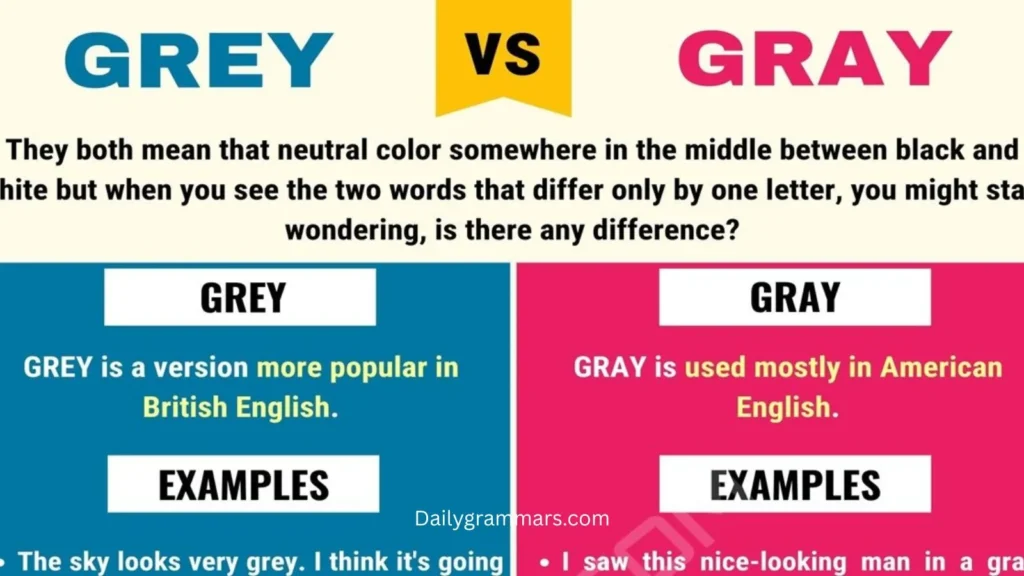
British English vs American English Spelling
There is no spelling difference between British and American English in the phrase “25 words or less.” The words are spelled the same way in both varieties.
The main difference is a matter of grammar preference and writing style, not regional spelling.
In both British and American English, “25 words or fewer” is a traditional choice for formal writing. “25 words or less” is also widely understood and commonly used.
Comparison Table
| Phrase | Meaning | Best use |
|---|---|---|
| 25 words or less | No more than 25 words | Everyday writing |
| 25 words or fewer | No more than 25 words | Formal or edited writing |
| Under 25 words | Fewer than 25 words | When 25 words is not allowed |
| Up to 25 words | A maximum of 25 words | Instructions and forms |
| Exactly 25 words | A total of 25 words | Strict word-count tasks |
Notice that “under 25 words” can mean something different from “25 words or less.” If the limit is under 25 words, you should usually write no more than 24 words. If the limit is 25 words or less, 25 words are allowed.
Which Spelling Should You Use?
The best phrase depends on your audience, purpose, and writing style. Since “25 words or less” and “25 words or fewer” use the same spelling in all major English varieties, you do not need to change the phrase based on your country.
For American English
Use “25 words or fewer” in formal reports, academic work, and carefully edited content. “25 words or less” is natural in casual conversation, advertising, and many everyday instructions.
For British English
The same advice applies in British English. “25 words or fewer” follows the traditional countable-noun rule, while “25 words or less” is familiar and easy to understand.
For Commonwealth Countries
In countries such as Australia, New Zealand, and Canada, both phrases are understood. Follow your school’s, employer’s, or publisher’s style guide if one is available.
For Global Audiences
If you want a simple phrase that readers everywhere can understand, “up to 25 words” is a clear alternative.
Professional advice: When a task gives you a word limit, focus on meeting that limit. If the instructions use “25 words or less,” you can follow their wording without worrying that your answer will be misunderstood.
Common Mistakes with 25 Words or Less
People often confuse word limits or use similar phrases as if they mean exactly the same thing.
Mistake 1: Thinking You Must Write Exactly 25 Words
Incorrect assumption: “I must use all 25 words.”
Correction: You can use any number of words up to 25.
Mistake 2: Believing “25 Words or Less” Is Always Wrong
Some grammar guides prefer “fewer” with countable nouns. However, “25 words or less” is common usage and is widely understood.
Correction: Use “25 words or fewer” for a traditional formal style, but do not assume the other phrase is impossible or meaningless.
Mistake 3: Confusing “Less Than 25” with “25 or Less”
These expressions can have different limits.
- “25 words or less” allows 25 words.
- “Less than 25 words” usually allows a maximum of 24 whole words.
Correction: Check whether the limit includes the stated number.
Mistake 4: Ignoring the Word Count
A response with 27 words does not meet a 25-word maximum.
Correction: Count your words before submitting your work. If the rules are strict, use the word counter in your writing program.
Mistake 5: Forgetting That Word-Counting Rules Can Vary
Some systems count hyphenated terms, numbers, abbreviations, and contractions differently.
Correction: Follow the rules given by the school, contest, website, or employer.
25 Words or Less in Everyday Examples
The phrase appears in many types of writing. Here are examples of how to use it naturally.
1. In Emails
“Please describe your project in 25 words or less so the team can review it quickly.”
This works well when asking someone for a short summary.
2. In News and Media
“The organization asked applicants to explain their ideas in 25 words or less.”
This sentence explains a short-response requirement.
3. On Social Media
“Tell us why you love this city in 25 words or less!”
This wording is useful for short posts, comments, and online competitions.
4. In School Assignments
“Summarize the chapter in 25 words or fewer.”
This version suits a school task where traditional grammar is preferred.
5. In Formal Writing
“Applicants must provide a project description of no more than 25 words.”
This is a precise option for policies, forms, and official instructions.
6. In Job Applications
“Describe your strongest skill in 25 words or less.”
This asks applicants to give a short and focused response.
25 Words or Less – Google Trends & Usage Data
The phrase “25 words or less” is used in many English-speaking countries. It appears in search queries related to grammar, writing instructions, word limits, contests, and short-answer tasks.
However, exact popularity by country should not be claimed without checking current Google Trends data. Search interest can change over time, and related phrases may appear under different search terms.
Common Usage Contexts
| Context | Typical phrase | Purpose |
|---|---|---|
| Schoolwork | 25 words or fewer | Set a short-answer limit |
| Online contests | 25 words or less | Limit an entry |
| Job applications | Up to 25 words | Request a brief response |
| Business writing | No more than 25 words | State a clear maximum |
| Grammar searches | Less vs. fewer | Explain the usage rule |
What Affects Search Popularity?
Search interest may rise when schools assign short summaries, companies open applications, or contests request brief entries. People may also search for the phrase when checking whether “less” or “fewer” is grammatically correct.
Without verified trend data, it would be misleading to say that one country searches for this phrase more than another. For reliable comparisons, use Google Trends and compare the exact phrases over the same time period and across the same regions.
Comparison Table: 25 Words or Less vs. Similar Phrases
| Phrase | Does it allow 25 words? | Meaning |
|---|---|---|
| 25 words or less | Yes | Maximum of 25 words |
| 25 words or fewer | Yes | Maximum of 25 words |
| Up to 25 words | Yes | Maximum of 25 words |
| No more than 25 words | Yes | Maximum of 25 words |
| Fewer than 25 words | No | Maximum of 24 whole words |
| Less than 25 words | Usually no | Below the 25-word limit |
| Exactly 25 words | Yes, only 25 | Requires a precise count |
These phrases are similar, but the difference between an inclusive and exclusive limit matters. When 25 words are allowed, use “25 words or less,” “25 words or fewer,” or “up to 25 words.”
FAQs About 25 Words or Less
1. Is “25 words or less” grammatically correct?
It is widely used and understood. Traditional grammar often recommends “25 words or fewer” because words are countable. For formal writing, “fewer” is a safe choice.
2. Does “25 words or less” mean exactly 25 words?
No. It means a maximum of 25 words. You can write fewer than 25 words and still meet the requirement.
RELATED;Success vs Succes: Correct Spelling and Meaning Explained
3. Is “25 words or fewer” better than “25 words or less”?
“25 words or fewer” follows the traditional rule for countable nouns. “25 words or less” is common in everyday English. Choose the version that fits your audience and style.
4. Is “25 words or less” used in British English?
Yes. The phrase is understood in British English, just as it is in American English. The difference is not one of spelling.
5. What is another way to say “25 words or less”?
You can say “up to 25 words,” “no more than 25 words,” or “a maximum of 25 words.” These alternatives are clear and useful in formal instructions.
6. Does a hyphenated word count as one word?
It depends on the word-count rules. Some tools count a hyphenated term as one word, while others may treat its parts separately. Check the rules for your task.
7. How can I make sure my answer has 25 words or less?
Write your answer, count the words, and remove any unnecessary details. A word processor or online word counter can help. If the limit is strict, leave a small margin below 25 words.
Conclusion
The phrase “25 words or less” is a common way to set a maximum word count. It tells you that your answer can contain 25 words or fewer, but it does not require you to use every word available.
Although some traditional grammar guides prefer “25 words or fewer,” the phrase “25 words or less” remains familiar and widely understood. Both expressions communicate the same practical limit in this context.
There is no British or American spelling difference to worry about. Instead, choose your wording based on your audience and the level of formality you need. For school assignments, professional reports, and carefully edited documents, “25 words or fewer” is a good choice. For everyday instructions, emails, and social media, “25 words or less” works well.
You can also use “up to 25 words” or “no more than 25 words” when you want a clear and direct instruction. Most importantly, check the exact word-count rule before submitting your answer. A short, focused response that follows the stated limit will usually serve you better than one that uses every available word.